
Whether you are tending to a small balcony box in North York or a sprawling backyard in Etobicoke, gardening in the springtime is a deeply rewarding way to connect with nature, reduce stress, and stay active.
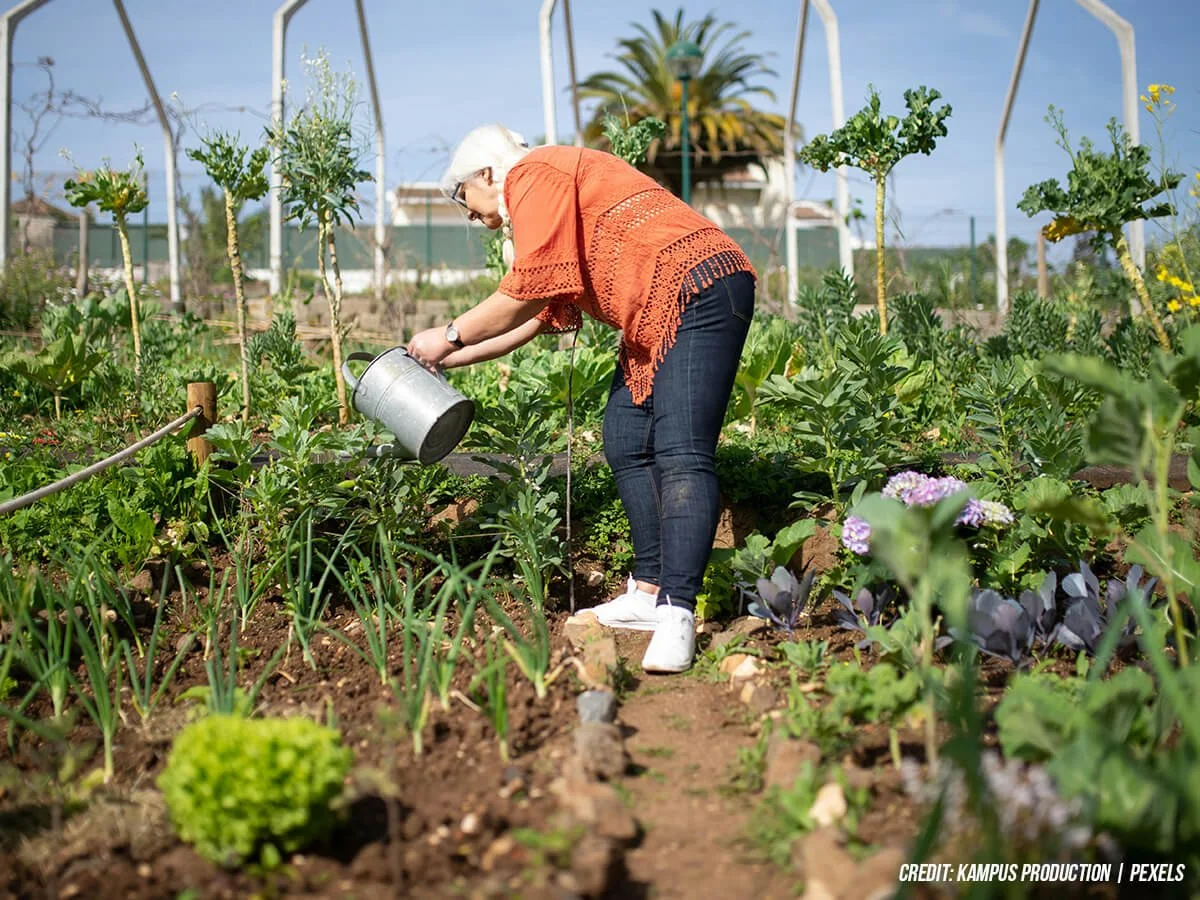
However, after a long winter of relative inactivity, the sudden physical demands of gardening can take a significant toll on the body. We often underestimate the sheer athleticism required for a day of weeding, mulching, and planting. The repetitive bending, heavy lifting, and awkward twisting involved can quickly lead to what many affectionately (and painfully) call "the gardener’s back."
If you want to ensure your spring planting doesn't lead to a summer of recovery, it’s time to look toward ancient wisdom.
Tui Na, a cornerstone of Traditional Chinese Medicine (TCM), offers a powerful, therapeutic approach to preventing injury and managing the strain that comes with the "green thumb" lifestyle.
The Hidden Demands of Gardening
Gardening is essentially a full-body workout. Consider the mechanics:
Weeding: Requires prolonged squatting or kneeling, putting pressure on the lower back and knees.
Digging: Involves repetitive twisting of the torso while under a load.
Lifting bags of soil: Often performed with poor form, placing immense stress on the lumbar spine.
Pruning: Can cause repetitive strain in the neck, shoulders, and wrists.
For many Canadians, these movements are performed after months of more sedentary indoor life. This sudden "spike" in activity leads to muscle tightness, restricted fascia, and joint inflammation.
This is where our Tui Na in Toronto serves as an essential tool for the modern gardener.
Is Tui Na Just a Massage?
Tui Na (pronounced "twee-nah") is not your typical spa massage designed solely for relaxation. It is a focused, clinical form of bodywork that has been used for over 2,000 years to treat musculoskeletal conditions.
The name translates to "push" (Tui) and "grasp" (Na), reflecting the vigorous and rhythmic techniques used to move energy (Qi) and blood throughout the body.
Unlike a standard deep-tissue massage, which focuses primarily on the muscle layers, Tui Na works on the body’s meridian system. It aims to remove "stagnation"—the TCM term for the blockages that cause pain and stiffness.
By stimulating specific acupressure points and using rolling, kneading, and stretching techniques, Tui Na restores the body's structural alignment.
How Tui Na Prevents Back Strain
Prevention is always more effective than a cure. Incorporating Tui Na into your spring routine before you experience a major "tweak" in your back can keep your body resilient.
1. Improving Spinal Flexibility
Tui Na employs passive stretching and joint mobilization techniques. By gently opening up the vertebrae and stretching the surrounding ligaments, it ensures your spine can handle the twisting and reaching required to plant those early perennials.
2. Releasing Myofascial Tension
The repetitive nature of gardening often causes the fascia—the thin “skin” surrounding every organ, blood vessel, bone, nerve fibre, and muscle with connective tissue—to become tight and restricted. Tui Na incorporates elements of myofascial release therapy to break down these adhesions, allowing your muscles to slide and glide freely.
3. Boosting Circulation and Recovery
Digging in the garden creates micro-tears in the muscle fibres. Tui Na’s rhythmic techniques increase local blood flow, which in turn increases oxygen and nutrients in these tissues while flushing out metabolic wastes, such as lactic acid. This speeds up recovery time, so you aren't waking up stiff the day after a big planting session.
4. Correcting "Hunching" Posture
Hours spent leaning over flower beds can lead to "Upper Cross Syndrome," where the chest tightens, and the upper back weakens. Tui Na focuses on the shoulders and neck to pull the posture back into alignment, preventing the dull, aching pain that often radiates from the neck down to the mid-back.
Practical Tips for Gardeners
While Tui Na provides the professional maintenance your body needs, your "on-the-field" habits matter too. Here are a few ways to protect your back this spring:
Warm up: Before you grab the shovel, take five minutes to do some gentle dynamic stretches. Think of yourself as an athlete preparing for a game.
Use the right tools: Long-handled tools can reduce the need to bend. Kneeling pads or garden stools are also essential for protecting the lower back.
Lift with your legs: It’s a cliché for a reason. When moving bags of mulch, keep the load close to your body and use your glutes and quads, not your spine.
Listen to the "whispers" of your body: Don't wait for your back to "scream" in pain. If you feel a slight ache or stiffness, stop, stretch, and consider booking a session.
Why Choose Our Clinic in Toronto?
At Tui Na Massage Therapy & Head Pain Clinic Toronto, our approach to Tui Na is highly personalized. We don't just treat the symptom but we look at your movement patterns and lifestyle to provide lasting relief.
Our practitioners are skilled in blending traditional techniques with a modern understanding of anatomy. Whether you are dealing with chronic sciatica or acute soreness from a weekend of landscaping, we provide a focused environment to help your body heal and strengthen.
Ready to Garden Pain-Free?
Don’t let back pain keep you indoors during the most beautiful time of the year. Whether you need a preventative tune-up or help recovering from a strain, the expert team at Head Pain Clinic Toronto is here to help.
Contact Tui Na Massage Therapy & Head Pain Clinic Toronto today at 416-532-9094 or info@totalwellnesscentre.ca to book your assessment.
Let’s make this your most productive—and most comfortable—gardening season yet!