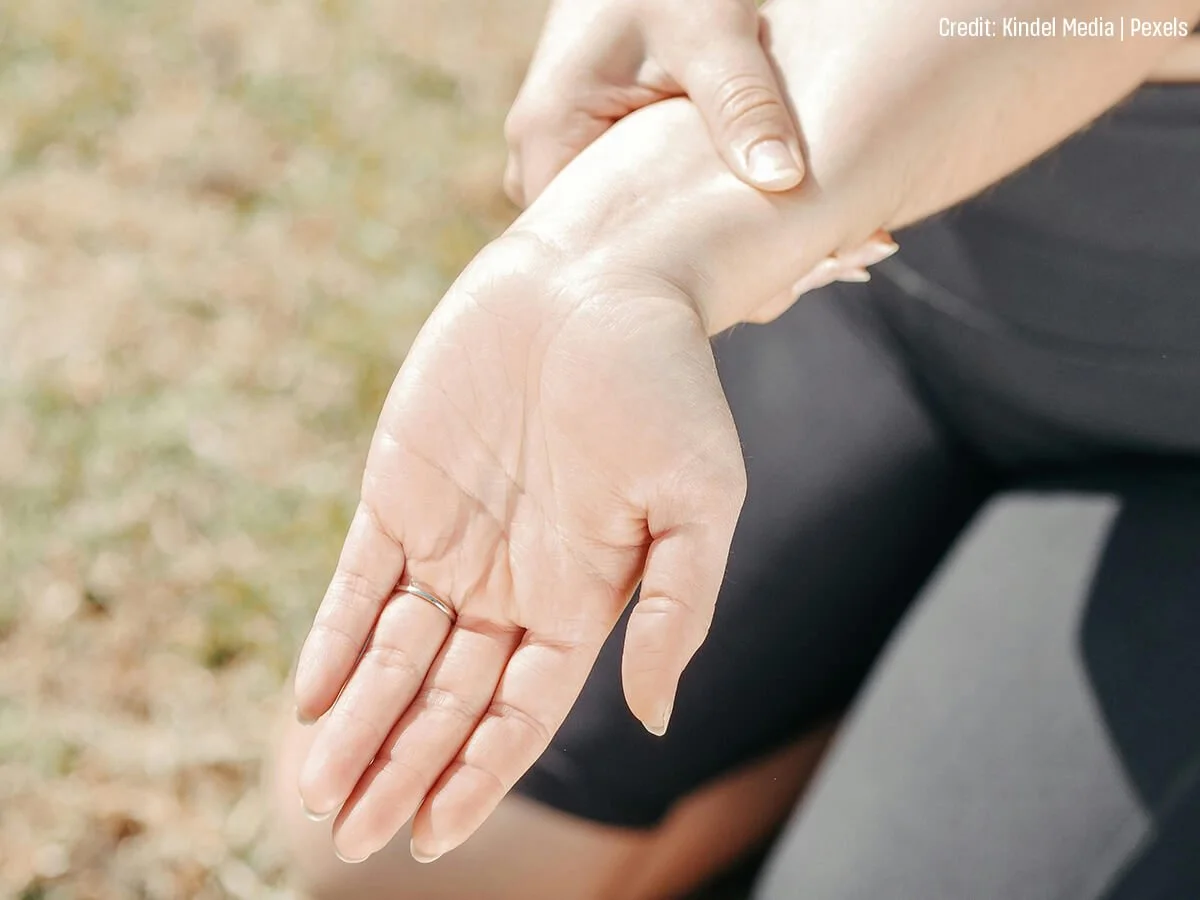
For many, winter means the joints feel stiffer, aches become sharper, and mobility seems to dwindle. While conventional medicine offers effective remedies, many individuals seek complementary therapies that not only manage the pain but also address the underlying systemic imbalance in a gentle, holistic manner.
https://www.pexels.com/photo/close-up-photo-of-a-woman-stretching-her-wrist-7298399/
The ancient wisdom of Traditional Chinese Medicine (TCM), specifically the powerful duo of Tui Na massage and Acupuncture, offers a safe and effective solution.
By promoting circulation, reducing inflammation, and restoring the body’s natural harmony, these therapies can transform the cold, stiff winter months into a season of renewed comfort and movement.
What Is the Connection Between Winter and Arthritis?
In Western medical terms, the drop in barometric pressure that accompanies cold weather can cause tissues around the joints to swell, putting increased pressure on the nerve endings and leading to pain. Synovial fluid, which lubricates the joints, also tends to thicken in the cold, increasing stiffness.
The natural human tendency to become less active in winter exacerbates this cycle, leading to muscle weakness and further joint rigidity.
However, TCM views this phenomenon through a different, yet equally valid, lens.
Arthritis is often categorized as a type of Bi syndrome, which translates to “Painful Obstruction.” The cold, wind, and dampness of winter are seen as pathogenic factors that invade the body and block the flow of Qi (vital energy) and Blood in the channels and meridians. This blockage, or "stagnation," is the root cause of the joint pain and stiffness.
The joints become cold, sluggish, and painful because the body’s internal furnace cannot properly warm and nourish them.
Managing arthritis pain, particularly in the unforgiving winter, therefore requires more than just masking the symptoms. It demands a therapy that actively warms the body, moves the stagnant energy, and restores smooth circulation.
Both Tui Na and Acupuncture excel at this task, offering a path to relief that is deeply rooted in harmonizing the body’s internal environment.
How Will Tui Na Help Your Arthritis This Winter?
Tui Na (pronounced "twee nah") is one of the oldest forms of bodywork and is considered a major branch of TCM, alongside Acupuncture, Chinese Herbal Medicine, and Qigong.
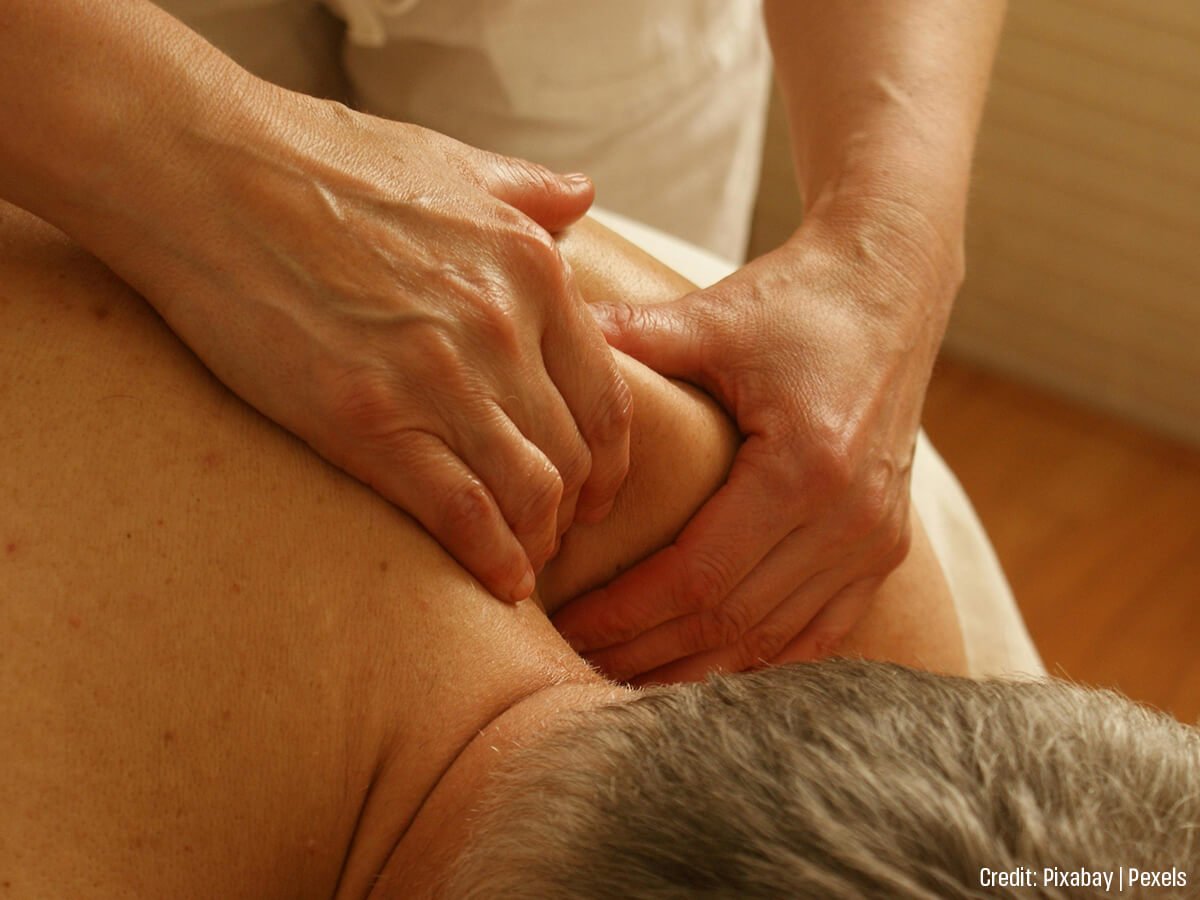
Translating literally as "push-grasp," Tui Na is a hands-on method that applies a variety of sophisticated techniques to the body's superficial tissues, muscles, tendons, and acupressure points.
https://www.pexels.com/photo/person-massaging-man-s-shoulder-275768/
Unlike a typical relaxation massage, Tui Na is highly therapeutic and clinical, using rhythmic compressions, stretches, friction, and joint manipulations to achieve specific therapeutic goals.
The fundamental goal of Tui Na in arthritis management is to move Qi and Blood, which have become stagnant due to the invasion of cold and dampness. By targeting specific acupoints along the meridians, the practitioner can communicate with the body's energy system, coaxing the blocked energy to flow freely once more.
For a patient experiencing arthritis in the knee, for example, the practitioner might employ a strong, continuous rolling motion (gun fa) and a gentle, kneading pressure (rou fa) around the joint. These techniques physically loosen contracted muscles and tendons, while energetically opening the channels that supply nourishment to the joint capsule.
One of the most valuable applications of Tui Na is its ability to break the spasm-pain cycle common in arthritis. When a joint is painful, the surrounding muscles naturally contract and tighten to protect it. This sustained tension reduces blood flow to the area, which in turn increases pain—a vicious cycle.
Tui Na, by incorporating techniques that are superficially similar to deep-tissue massage, but guided by TCM channel theory, works to release these deep muscular constrictions. This release allows fresh, warm, oxygenated blood to rush back into the tissues, flushing out inflammatory waste products and thereby reducing pain and stiffness.
Furthermore, a skilled Tui Na therapist often utilizes advanced manual therapy approaches, such as myofascial release therapy, to address the connective tissue surrounding the muscles and joints. The fascia, a web-like tissue that encases everything in the body, can become dehydrated, restricted, and tight, especially in chronic conditions like arthritis.
By applying sustained, gentle pressure, the therapist can lengthen and restore the elasticity of the fascia, directly improving joint range of motion and reducing the feeling of "stuckness" that plagues arthritis sufferers in winter.
When seeking this specialized care, it is crucial to find a practitioner trained not just in general massage, but in the clinical, diagnostic art of TCM bodywork.
Individuals seeking effective and targeted care should look for dedicated clinics. For instance, our expert practitioners in tui na in Toronto integrate TCM diagnostic principles—assessing the patient’s pulse, tongue, and specific patterns of cold, damp, or wind invasion—into the hands-on treatment plan.
The tailored, personalized nature of Tui Na, driven by TCM diagnosis, makes it an exceptionally gentle yet profoundly effective modality for chronic winter arthritis pain. It is a therapy that respects the body’s natural processes, using movement and energy to facilitate its own healing.
How Does Acupuncture Help Modulate Pain and Inflammation in the Winter?
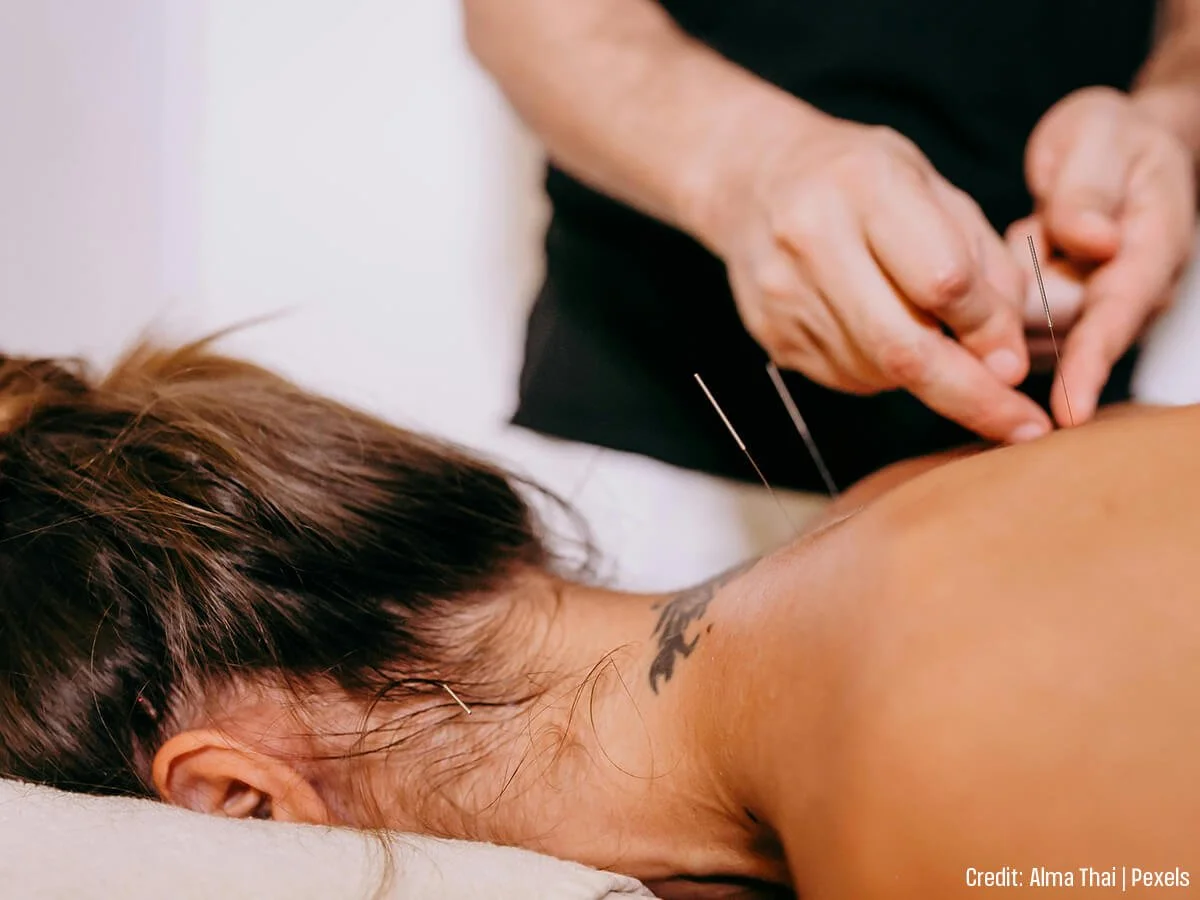
Acupuncture is perhaps the most globally recognized component of TCM. It involves the insertion of ultra-fine needles into specific points on the body, points that lie along the energy pathways, or meridians.
While it may seem daunting, the process is virtually painless, and the therapeutic effects are supported by a substantial and growing body of biomedical research.
For arthritis pain, Acupuncture works on multiple, interconnected levels.
At a neurological level, needling stimulates the body’s nervous system to release endorphins, which are the body’s natural painkillers. These potent neurochemicals block the perception of pain signals travelling from the affected joint to the brain, providing immediate relief.
Acupuncture has also been shown to modulate the body’s inflammatory response. Chronic inflammation is a hallmark of many arthritic conditions. By stimulating specific points, an acupuncturist can help lower the levels of pro-inflammatory cytokines while boosting anti-inflammatory responses, thereby addressing the root cause of joint damage and pain.
In the context of TCM, Acupuncture directly treats the Bi syndrome by strategically opening the blocked channels. If the arthritis is diagnosed as a "Cold Bi," for example, the practitioner will select points that warm the channels and expel the cold, often employing adjunct therapies like moxibustion (the burning of an herb, mugwort, over the point to introduce deep, penetrating heat). If the diagnosis points to "Damp Bi," characterized by a heavy, swollen feeling in the joints, points are chosen to resolve the dampness and strengthen the Spleen/Stomach system, which is responsible for fluid metabolism in TCM.
The beauty of Acupuncture lies in its specificity. While a Tui Na session provides broad-based circulatory and muscle release, Acupuncture allows for targeted micro-interventions.
Needles can be placed directly near the affected joint to reduce local inflammation and pain, while other needles are placed distally (on the hands, feet, or torso) to balance the entire system, improve immune function, and address the patient's underlying constitution.
This dual approach—local pain relief and systemic balancing—makes it ideal for managing a chronic, complex condition like arthritis that waxes and wanes with the seasons.
The Synergistic Power of Combination Therapy
While Tui Na and Acupuncture are powerful on their own, their combined application offers a synergistic effect that is particularly beneficial for winter arthritis.
A typical TCM treatment plan might involve a Tui Na session immediately preceding or following Acupuncture.
The Tui Na prepares the body by softening the muscles, warming the channels, and facilitating the movement of Qi and Blood, essentially clearing the pathway. The Acupuncture then delivers a precise, powerful message to the body’s internal systems, using the now-open channels to maximize the anti-inflammatory and pain-modulating effects.
This integrated approach ensures that the physical stiffness and tension are addressed manually (Tui Na), while the systemic inflammatory, energetic, and neurological components are fine-tuned (Acupuncture).
Patients often report a deeper, longer-lasting sense of relief, increased warmth in previously cold joints, and significantly improved mobility compared to using either therapy in isolation.
Complementary Lifestyle Management for Winter
To solidify the benefits of Tui Na and Acupuncture, the TCM approach always emphasizes lifestyle adjustments. During the winter, arthritis sufferers should focus on:
Warming foods and diet. Avoid excessive cold or raw foods, which TCM considers to increase dampness and chill the body. Focus on warm, cooked meals, bone broths, warming spices (ginger, cinnamon, turmeric), and root vegetables.
Gentle movement. While heavy exercise can strain painful joints, gentle, low-impact movements like Tai Chi or Qigong are essential. These practices maintain joint lubrication, strengthen supporting muscles, and actively promote the smooth, slow flow of Qi—countering the winter tendency toward stagnation.
Heat preservation. Diligently protect the affected joints from cold and wind. Wearing scarves, long sleeves, and gloves, even indoors, helps to prevent the pathogenic cold from re-invading the channels that the therapies have worked to open.
Combining the manual, mechanical benefits of Tui Na, the neurological and energetic precision of Acupuncture, and common-sense lifestyle adjustments, you can face the winter with confidence.
TCM offers a gentle, non-pharmacological, and effective path to managing arthritis pain, ensuring that the cold season can still be a time of comfort, health, and activity.
Take Control of Your Pain This Winter
Don't let arthritis pain dictate your winter months. Discover the transformative relief offered by Tui Na Massage Therapy and Acupuncture, provided by experienced, compassionate professionals.
For personalized Tui Na Massage Therapy and to begin your journey toward lasting relief, contact Head Pain Clinic Toronto today at 416-532-9094 or info@totalwellnesscentre.ca.