
The modern approach to healthcare often mirrors our approach to technology: we want a quick fix, a "reset" button, or a way to silence the symptoms so we can get back to work.
While Western medicine excels at acute care and emergency interventions, many individuals find themselves trapped in a cycle of temporary relief for chronic issues. This is where Traditional Chinese Medicine (TCM) offers a profound shift in perspective.
TCM is not merely a collection of ancient remedies, though. It is a sophisticated, holistic medical system that has evolved over 2,500 years. Its primary goal isn't just to mask pain, but to cultivate "Zheng Qi"—your body’s vital energy and its innate ability to heal and maintain balance.
By addressing the root causes of disharmony, TCM serves as a powerful ally for anyone seeking sustainable, long-term health.
Let’s get into how.
The Philosophy of Balance: Yin, Yang, and Qi
At the heart of TCM lies the concept of balance. Practitioners view the body as an integrated system where physical, emotional, and environmental factors are inextricably linked.
Health is defined by the smooth flow of Qi (vital energy) and the harmony between Yin (cooling, nourishing, receptive) and Yang (warming, active, transformative).
When this balance is disrupted by stress, poor diet, or injury, Qi becomes stagnant or depleted, leading to pain and illness. Western medicine might see a tension headache and prescribe an analgesic. A TCM practitioner, however, looks at the "pattern" of the individual. Is the headache caused by Liver Qi Stagnation due to stress? Is it a deficiency of Blood? By identifying these underlying patterns, TCM provides a roadmap for healing that goes beyond the surface level.
The Multimodal Approach of TCM (It’s Not Just Needles!)
Many people equate TCM solely with acupuncture. While acupuncture is a cornerstone of the practice, TCM is a multimodal system that utilizes various tools to restore flow and function.
Tui Na: The Power of Therapeutic Touch
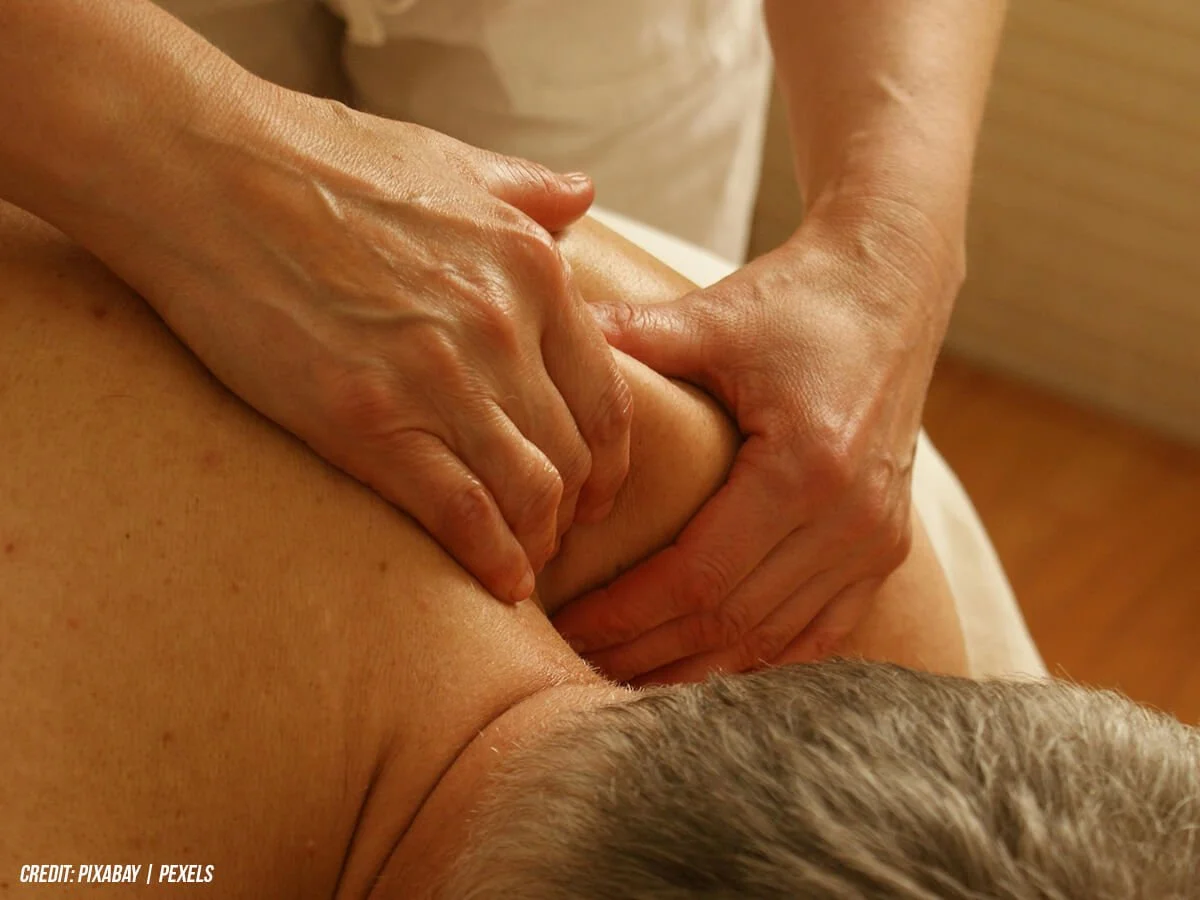
One of the most effective manual therapies within this system is Tui Na. Unlike a standard relaxation massage, tui na is a clinical massage technique that uses rhythmic compression, oscillation, and stretching along the body’s meridian lines. It is designed to "brush" the channels, breaking up adhesions and ensuring that Qi and Blood reach the tissues that need them most.
For those accustomed to a deep-tissue massage, Tui Na offers a similar level of intensity but with a focused, energetic purpose. While a deep-tissue session focuses on the musculature, Tui Na integrates the nervous system and the energetic pathways, making it particularly effective for chronic pain, digestive issues, and respiratory conditions.
Integrating Modern Techniques with Myofascial Release
Modern TCM practitioners often integrate contemporary physiological understandings into their practice. This includes myofascial release therapy, which targets the fascia—the connective tissue wrapping around muscles and organs. In TCM terms, the fascia is a primary medium through which Qi flows. By releasing restrictions in this "web," practitioners can alleviate chronic tension that often mimics or exacerbates energetic blockages.
Why TCM Is Great for Long-Term Healing
1. It Resolves the Root Cause
The most significant advantage of TCM is its focus on the "Ben" (the root) rather than just the "Biao" (the branch/symptom). If you have chronic lower back pain, a TCM practitioner won't just look at your lumbar spine. They will assess your Kidney energy—which in TCM governs the bones and lower back—your lifestyle, and your emotional state.
Once you strengthen the root, naturally the symptoms naturally dissipate and, more importantly, are less likely to return.
2. Personalized Medicine
There is no "one size fits all" in TCM. Two people with the same Western diagnosis—such as irritable bowel syndrome (IBS)—may receive entirely different TCM treatments. One might be treated for "Spleen Qi Deficiency," while the other is treated for "Damp-Heat in the Large Intestine." This level of personalization ensures that the treatment respects your unique constitution, leading to more effective long-term outcomes.
3. Preventative Care
TCM is historically a system of longevity and prevention. Legend has it that ancient Chinese doctors were paid only when their patients were healthy; if a patient fell ill, it was considered a failure of the doctor’s preventative guidance. By identifying subtle imbalances before they manifest as physical disease, TCM acts as a "maintenance plan" for the human body.
4. Minimal Side Effects
Because TCM utilizes natural modalities—herbs, massage, acupuncture, and dietary therapy—it generally carries a much lower risk of side effects compared to long-term pharmaceutical use. This makes it an ideal companion for chronic conditions that require ongoing management.
The Role of Tui Na in Modern Recovery
In a city like Toronto, where "tech neck," sedentary office work, and high-stress environments are the norm, Tui Na has become an essential tool for physical maintenance. It bridges the gap between relaxation and medical intervention.
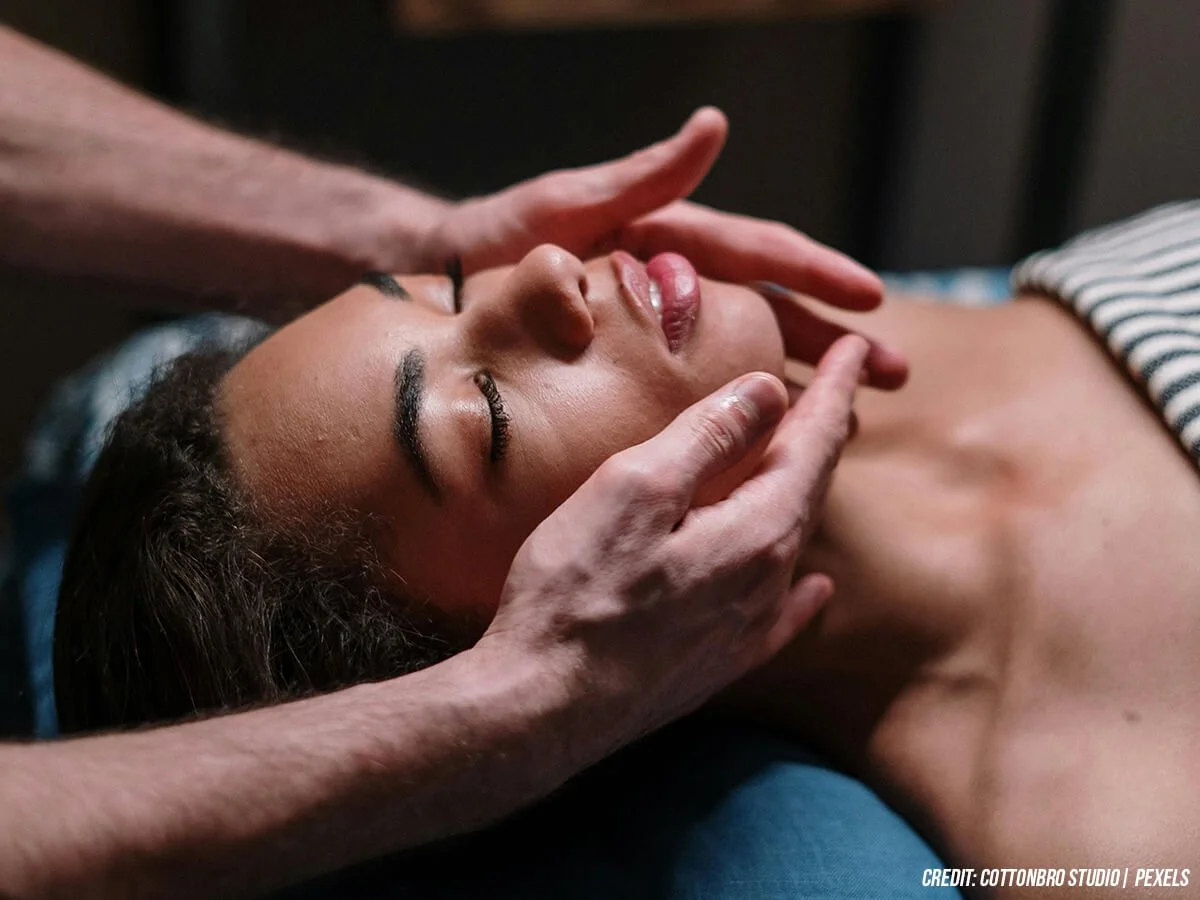
By utilizing specific hand techniques—such as Mo (rubbing), Nie (pinching), and An (pressing)—Tui Na practitioners can stimulate the body's parasympathetic nervous system. This "rest and digest" state is crucial for long-term healing, as the body cannot effectively repair tissue while in a state of chronic "fight or flight."
Healing as a Journey, Not a Destination
Long-term healing requires patience. Unlike a pill that might dull a sharp pain in twenty minutes, TCM works with the body's natural rhythms. It is an invitational medicine; it invites your body to remember how to heal itself.
Whether you are dealing with chronic migraines, sports injuries, or the cumulative effects of stress, incorporating TCM into your wellness routine offers a path to vitality that grows stronger over time. By looking at the whole person—mind, body, and spirit—TCM ensures that when you heal, you heal completely.
Experience the Benefits of Tui Na Today
Are you ready to stop managing symptoms and start addressing the root of your discomfort? Discover the restorative power of Tui Na Massage Therapy. At our clinic in Toronto, our experienced practitioners specialize in clinical massage and TCM techniques designed to facilitate deep, lasting recovery.
Contact Tui Na Massage Therapy & Head Pain Clinic Toronto today at 416-532-9094 or info@totalwellnesscentre.ca to book your assessment.