When springtime arrives, many of us feel a natural urge to declutter our homes and refresh our surroundings. However, we often overlook the most important environment we inhabit: our own bodies.
Just as dust and grime can accumulate in the corners of a room, stress, tension, and "biochemical debris" can build up within our nervous systems over a long, cold winter.
In Traditional Chinese Medicine (TCM), spring is the season of renewal and the element of Wood, which governs the Liver and Gallbladder systems. These systems are responsible for the smooth flow of Qi (energy) throughout the body. When this flow is obstructed—often by the sedentary habits or mental stressors of winter—our nervous system can become "cluttered," leading to irritability, fatigue, and physical tension.
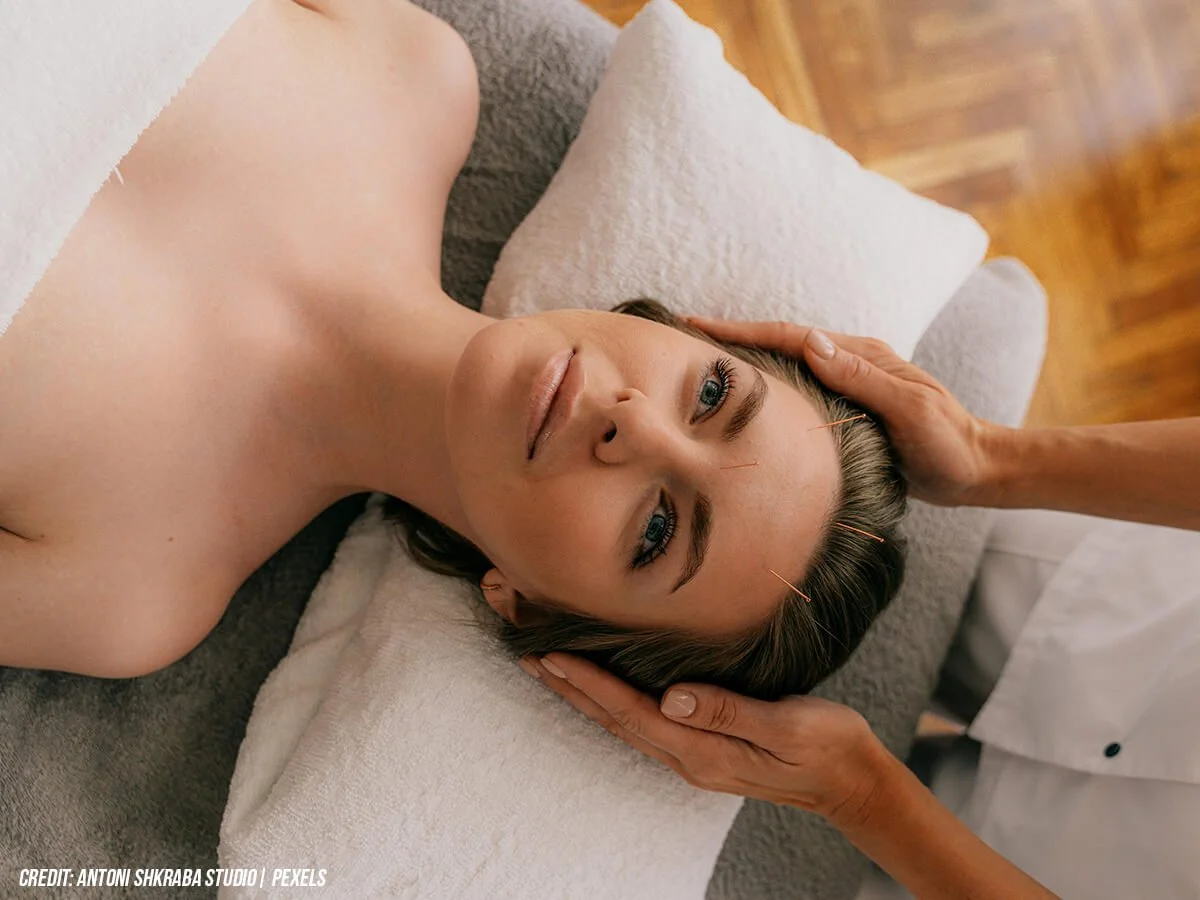
Acupuncture offers a profound way to "spring clean" this internal landscape. Stimulating specific points on the body helps clear blockages, resets the autonomic nervous system, and restores a sense of equilibrium.
Here are five ways acupuncture acts as a seasonal refresh for your nervous system.
1. Moving "Stagnant Qi" to Reduce Irritability
Winter often keeps us indoors and less active, which can lead to what TCM calls "Liver Qi Stagnation." Because the Liver system is closely tied to the smooth movement of energy, any "clog" here often manifests as emotional turbulence—think of it as the nervous system’s version of a backed-up drain. You might feel more prone to frustration, "brain fog," or a general sense of being "stuck."
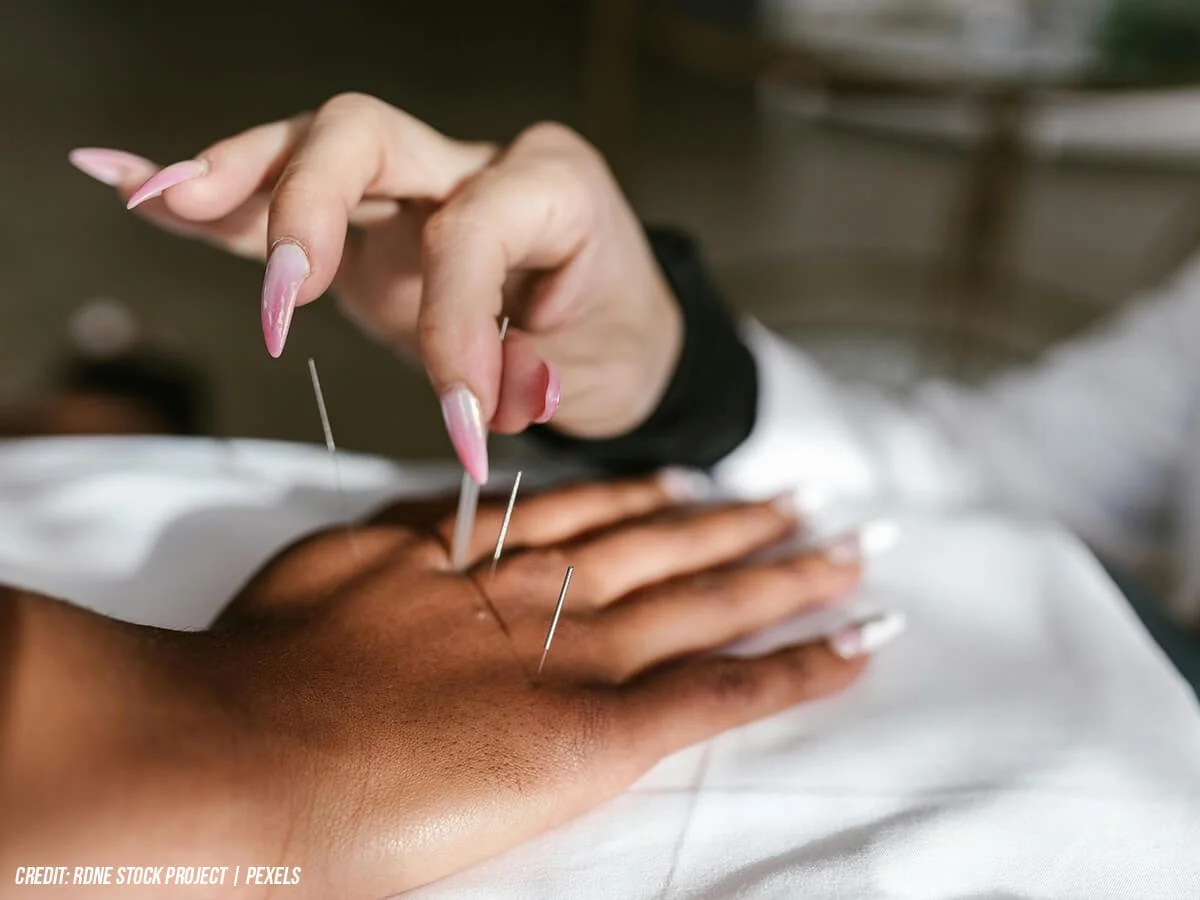
Acupuncture works by targeting meridians that release this pent-up energy. By inserting hair-thin needles into strategic points, practitioners can encourage the nervous system to shift from a state of reactive "fight or flight" (sympathetic) to a state of "rest and digest" (parasympathetic). This shift acts like opening the windows of a stuffy room, allowing fresh energy to circulate and clearing away the emotional irritability that accumulated during the darker months.
2. Relieving Physical "Dust" with Neuromuscular Release
The nervous system and the muscular system are inextricably linked. When the nervous system is overstimulated, muscles stay in a state of micro-contraction. Over time, this leads to the formation of "knots" or trigger points. To truly clean the nervous system, you must also address the physical structures it governs.
While acupuncture targets the energetic and neurological pathways, it is often most effective when paired with manual therapies.
For those dealing with deep-seated physical tension, a deep-tissue massage can help break down adhesions that keep the nervous system in a state of high alert. Acupuncture needles can reach deep motor points to "reboot" a muscle, while manual techniques ensure the surrounding tissues are supple and receptive to healing.
3. Calming the Vagus Nerve and Improving Sleep
A "clean" nervous system is one that can transition smoothly into sleep. Many people find that by the time spring arrives, their circadian rhythms are slightly off-kilter. This is often due to a dysregulated Vagus nerve—the "superhighway" of the parasympathetic nervous system.
Acupuncture has been shown to increase vagal tone, which helps lower the heart rate and reduce cortisol levels. When the Vagus nerve is functioning optimally, your body receives the signal that it is safe to relax. This internal "dusting" of stress hormones allows for deeper, more restorative sleep, ensuring you wake up with the vibrant energy that the spring season demands.
4. Clearing Fascial Restrictions
The nervous system doesn't exist in a vacuum; it is threaded through a web of connective tissue called fascia. When fascia becomes tight or "glued" together due to lack of movement or dehydration, it can actually compress peripheral nerves, sending constant "pain" signals to the brain.
To address this, practitioners often combine acupuncture with myofascial release therapy. By releasing the physical restrictions in the fascial sheath, you take the pressure off the nervous system. Think of this as untangling a knot of wires; once the wires (nerves) are free from the tangles (fascial adhesions), the signals can flow clearly and efficiently without interference.
5. Harmonizing the Mind-Body Connection with Tui Na
In the heart of the city, the fast pace of life can make "spring cleaning" feel like just another chore on the to-do list. However, holistic recovery involves more than just needles. It also involves the healing power of touch.
Our tui na in Toronto is a popular choice for those looking to complement their acupuncture treatments.
Tui Na is a therapeutic form of Chinese massage that uses rhythmic compression, oscillation, and stretching along the same meridians used in acupuncture. This technique is particularly effective at "brushing away" the last remnants of winter sluggishness. It stimulates the flow of blood and Qi, helping the nervous system integrate the changes brought about by acupuncture. It is the final "polish" in your internal spring cleaning routine, leaving you feeling grounded and invigorated.
The Seasonal Shift of Your Nervous System
Spring is a time of expansion and growth. By using acupuncture to clear out the "clutter" of the nervous system—whether that clutter is stress, chronic pain, or poor sleep—you create the internal space necessary to grow and thrive in the coming months.
If you’ve been feeling sluggish, tense, or simply "off" as the seasons change, it may be time to look beyond your home and start cleaning from the inside out. Your nervous system is the control center for your entire life experience; keeping it clear and balanced is the best way to ensure a vibrant, healthy spring.
Ready for an Internal Refresh?
If you're looking to revitalize your health and find relief from chronic tension, experience the restorative power of Tui Na Massage Therapy at our pain clinic in Toronto. Our expert practitioners specialize in harmonizing the body and mind to help you feel your best.
Contact Tui Na Massage Therapy & Head Pain Clinic Toronto today at 416-532-9094 or info@totalwellnesscentre.ca to book your assessment.