
Living with a chronic injury is often an exercise in frustration. Whether it is a lingering lower back ache from years of office work, a shoulder that never quite recovered after a sports mishap, or persistent tension headaches, the cycle is usually the same: flare-up, pain medication, temporary relief, and recurrence.
In our fast-paced world, the "quick fix" is the default. We reach for anti-inflammatories or ice packs to dull the sensation, essentially silencing the body's alarm system without addressing the fire.
However, masking pain is not the same as healing.
To truly break the cycle of chronic pain, we must shift our perspective from symptom management to a holistic recovery—one that treats the body as an interconnected system rather than a collection of isolated parts.
The Problem with the "Quick Fix" Mentality
When we experience acute pain, the body is sending a clear signal that something is wrong. In the short term, "masking" that pain can be a necessary part of getting through the day.
However, when an injury becomes chronic (typically lasting longer than three to six months), the biology of the pain changes. The nervous system becomes hypersensitized, and the structural compensations the body makes to protect the injured area start to cause problems elsewhere.
By only addressing the surface-level symptom, we allow the underlying root cause—be it scar tissue, muscle imbalances, or energy stagnation—to settle in deeper. Holistic healing, by contrast, looks at the "why" behind the "where."
The Eastern Edge: Tui Na and Energetic Balance
While Western modalities focus heavily on the physical structures of the body, Traditional Chinese Medicine (TCM) offers a vital missing piece: the flow of Qi (energy). Chronic pain is often viewed in TCM as a "stagnation" of energy and blood.
Sessions of tui na in Toronto is gaining recognition as a powerhouse for chronic injury recovery. Tui Na is a therapeutic form of massage that has been used in China for over 2,000 years. It utilizes rhythmic compression along energy channels (meridians) and specific techniques to manipulate the joints.
Unlike a relaxation massage, Tui Na is vigorous and functional. It aims to establish a more harmonious flow of Qi throughout the body, which in turn speeds up the physical healing process. By combining the structural benefits of manual manipulation with the energetic principles of acupuncture (without the needles), Tui Na treats the person as a whole—mind, body, and spirit
Redefining Recovery Through Manual Therapy
A holistic approach to chronic injury involves various modalities that work on different layers of the body, from the superficial fascia to the deep musculature and even the body's energetic flow.
1. Breaking the Cycle with Deep-Tissue Massage
Chronic injuries often lead to the formation of adhesions. Adhesions are basically painful, rigid bands of tissue in muscles, tendons, and ligaments. These adhesions can block circulation and limit range of motion.
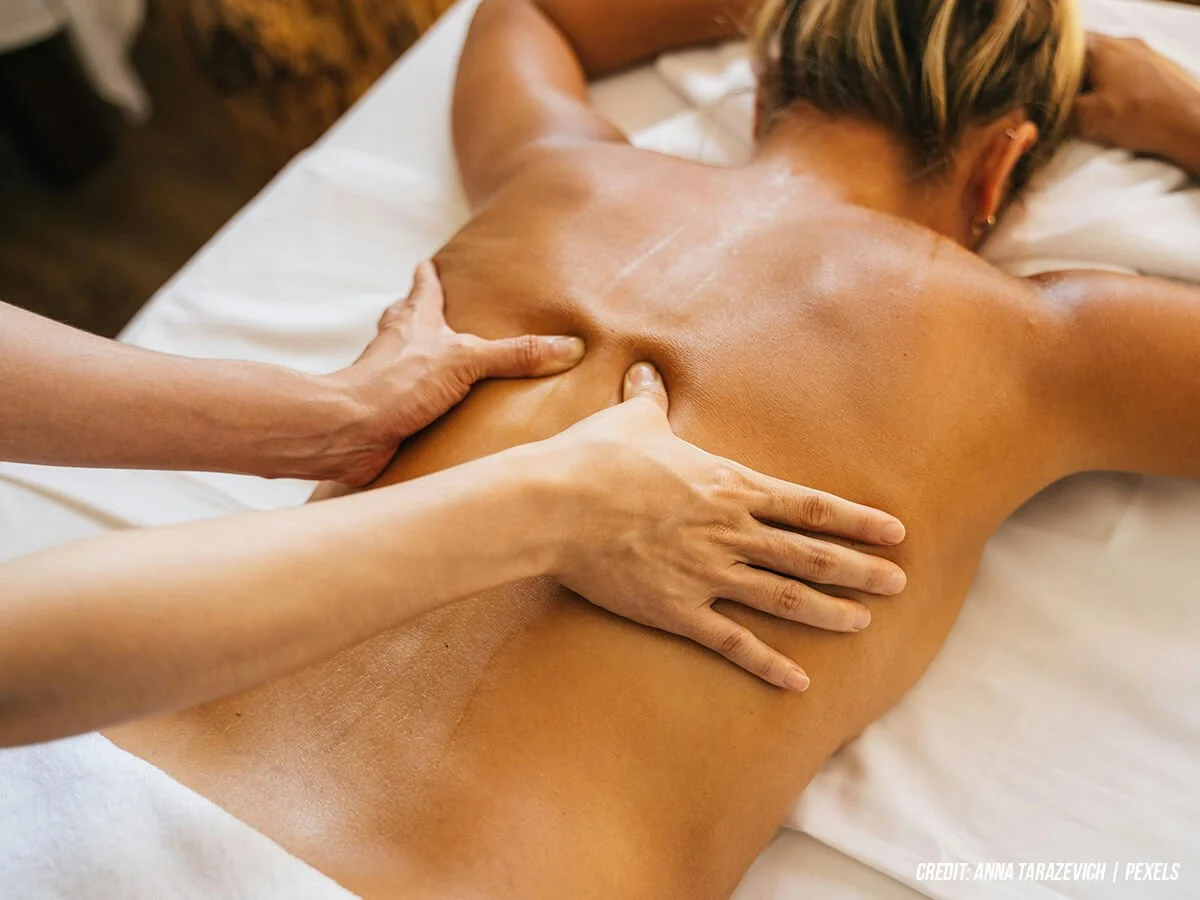
Deep-tissue massage is a foundational tool in holistic recovery because it focuses on realigning muscles and connective tissue on a much deeper layer. Slow, deliberate strokes and intense pressure helps physically break down these "knots," allowing for improved blood flow and reduced inflammation.
2. Releasing the Body’s Inner Net with Myofascial Release
The fascia is the web of connective tissue that surrounds nearly everything in the body, including muscles, bones, nerves, and organs. In a healthy state, fascia is flexible and wavy. When you have a chronic injury, the fascia becomes tight and restricted, pulling the body out of alignment.
Myofascial release therapy involves applying gentle, sustained pressure to the myofascial connective tissue restrictions. Unlike traditional massage, which works on the muscles themselves, this therapy targets the "casing" of the muscles, providing long-lasting structural relief that can alleviate "referred" pain—pain that originates in one area but is felt in another.
3. Functional Restoration via Sports Massage
You don't have to be a professional athlete to benefit from sports massage. This modality is highly systematic, focusing on specific areas of the body that are strained from overuse and stressed by repetitive and often aggressive movements.
For someone with a chronic injury, sports massage is vital for functional rehabilitation. It helps enhance flexibility, reduces muscle fatigue, and prevents further injury by ensuring that the muscles are supple and capable of supporting the body's movements correctly.
Integrating the Holistic Path
Healing a chronic injury is rarely the result of a single session or a single technique. True recovery is an integrated process.
For example, a patient dealing with chronic sciatica might find that a combination of myofascial release to loosen the pelvic floor, deep-tissue work to release the glutes, and Tui Na to address the underlying energy stagnation provides a level of relief that surgery or medication never could.
Furthermore, a holistic approach encourages patient agency. It involves:
Corrective exercise: Strengthening the muscles that have weakened due to compensation.
Ergonomic adjustments: Changing how you sit, stand, and move in your daily life.
Mindfulness: Reducing the stress and anxiety that often exacerbate the sensation of physical pain.

Why Toronto Is Turning to Holistic Care
In a city as busy as Toronto, the temptation to "push through" the pain is high. However, more residents are realizing that longevity and quality of life depend on how we treat our bodies today.
Shifting from a "masking" mindset to a "healing" mindset allows you to return to the activities you love—whether that's running along the Lakeshore, playing with your kids, or simply getting through a workday without a bottle of ibuprofen.
Start Your Healing Journey Today
Don’t let chronic pain dictate the terms of your life any longer. It is time to stop covering up the symptoms and start addressing the cause. Whether you are recovering from an old sports injury or dealing with the wear and tear of daily life, our expert team is here to help you find a path back to wellness.
Experience the restorative power of Tui Na Massage Therapy and our comprehensive manual therapies!
Contact Tui Na Massage Therapy & Head Pain Clinic Toronto today at 416-532-9094 or info@totalwellnesscentre.ca to book your assessment.